
Month: April 2018
-

SEAGULLMACHINE: Less Hiccup, More Smash?
When I hear that two pieces have been “smashed together,” I make certain assumptions. If I read “conceived by” or “created by the ensemble,” I expect a piece so thoroughly […]
-

YERMA Turns Audio Operatic – Aron Canter responds
Her quizzers and yelps, the need of her sound, the holes in her anger revealed through the unsteady rocking of her delivery, created the tapestry that was her performance.
-
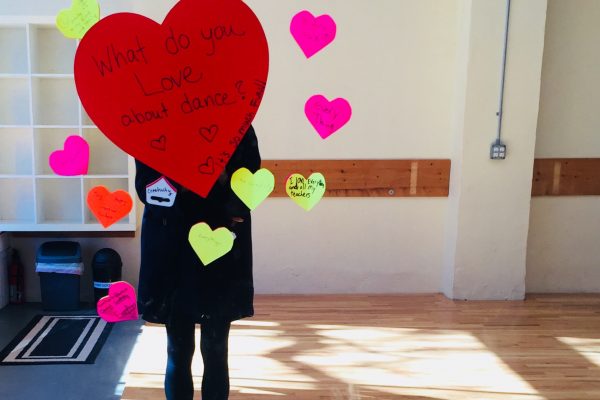
Heather Kravas: Objects That Inspire & Interview with Aron Cantor
The objects could be anything generative, and Heather’s choices are varied, sophisticated, heartfelt, and a fascinating insight into what interests this artist.
-

Moth&Flame: Audrey Moyce Responds
Suggestions of timeless spaces, Miss-Julie-ish rage, and as I knew from the program, taking up issues of sexual violence.
-

Aloha, Aloha, or When I Was Queen: Is That Voice Still Mine?
There is a dizzying effect to the realization / acknowledgement of one’s cringe-worthy actions as white person to date, and Aloha Aloha gives that kaleidoscopic wheel quite the healthy spin.
-
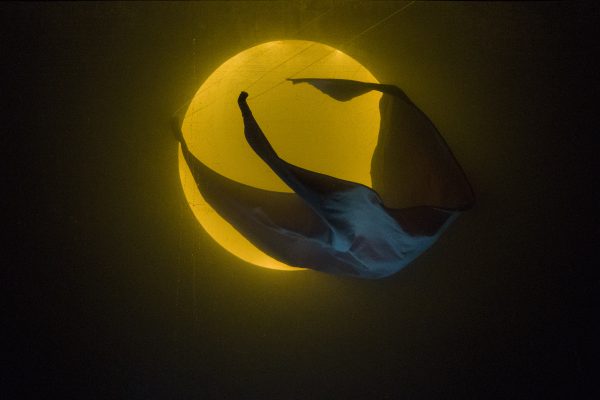
Symphonie Fantastique’s 20th Anniversary
“Nothing happening,” I wrote in a heavy slant down the page, “but I can’t look away.”
-
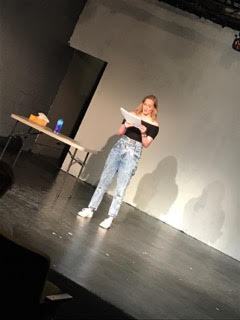
“Could someone else be me?”: the Marvelous Theatrics of Cherry Lou Sy’s Possessed is a Verb
The act of appropriation at the core of the theatrical encounter becomes, in Sy’s hands, a metaphor for and means of exploring other appropriative encounters and the difficult entanglement, in each, of empathy and violence.
-

What Makes Us Feel (Anxious)
The anxiety vortex of What Makes Us Feel Good shoots one into the black hole of anxiousness.
-
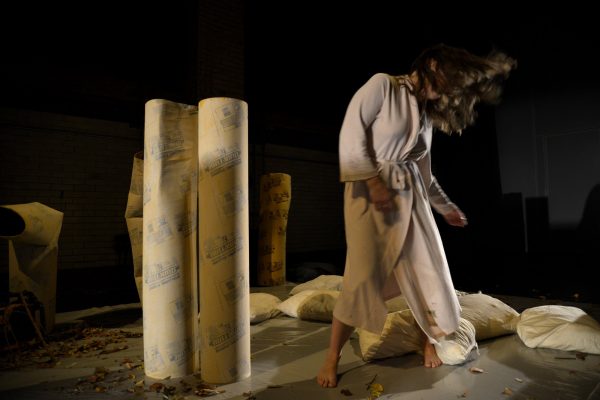
AT HOME WITH THE HUMORLESS BASTARD
Wilson says to the container, “Well fuck you,” then to us, “Get ready to run if this explodes, I guess.”
-

The Lucky Ones, Cracked Open at The Connelly
there’s never enough time and we’re always reaching back, trying to remember what it felt like to crack wide open for the first time.
-

The Question of New Territory in Target Margin’s Pay No Attention to the Girl
The sense of risk, scrappiness, and, in the words of Herskovits, “failure” is strong.